BSTX Labs — Product Strategy & Technical Discovery
Product strategy and technical leadership across client engagements
Technical consultancy where I lead product strategy and engineering across fintech, cloud infrastructure, and web development projects. Scoped a monolith-to-microservices migration that reduced deployment time 30%, built AWS/GCP data pipelines, and delivered full-stack solutions for diverse clients. This work clarified what I wanted: solving the "what should we build and why" problems upstream of engineering.
The Problem
Fintech client had a monolithic Rails application causing slow deployments and scaling issues. Mobile team was blocked needing API endpoints, but the existing architecture made changes risky.
Deeper issue: Cultural silos prevented cross-team collaboration. Teams refused to communicate, required manager approval for basic technical conversations. Legacy code had sections nobody owned or understood—zero documentation, unclear ownership, engineers scared to touch unfamiliar code.
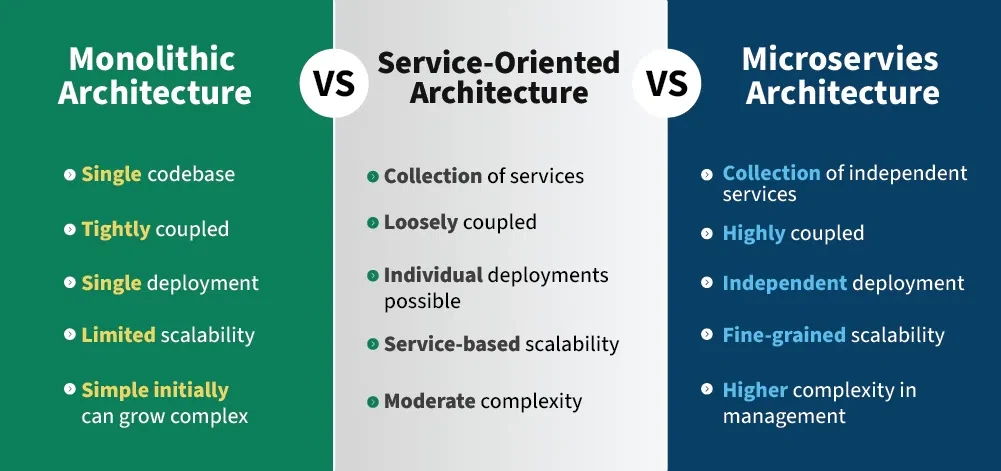
Monolith vs Service Oriented vs Microservices Architecture Comparison
Strategic Approach
Applied RICE prioritization to migration scope. First target: sidebar panel with moderate reach (all users + engineers), high engineering impact (maintainability), high confidence (code refactoring).
Effort was mixed—actual code work was straightforward, but reverse engineering undocumented legacy logic was time-consuming. Previous product owners and engineers maintained zero documentation on functionality or business logic, requiring business expertise to decode and document for non-technical stakeholders.

RICE Prioritization: Sidebar Panel Scored Highest
Key decisions:
Microservices over monolith refactor (already in monolith, needed decomposition)
Backend-for-frontend architecture with failover to legacy monolith
Phased rollout section-by-section with manual QA
Documentation as critical deliverable—undocumented systems remain unmaintainable
What I Built
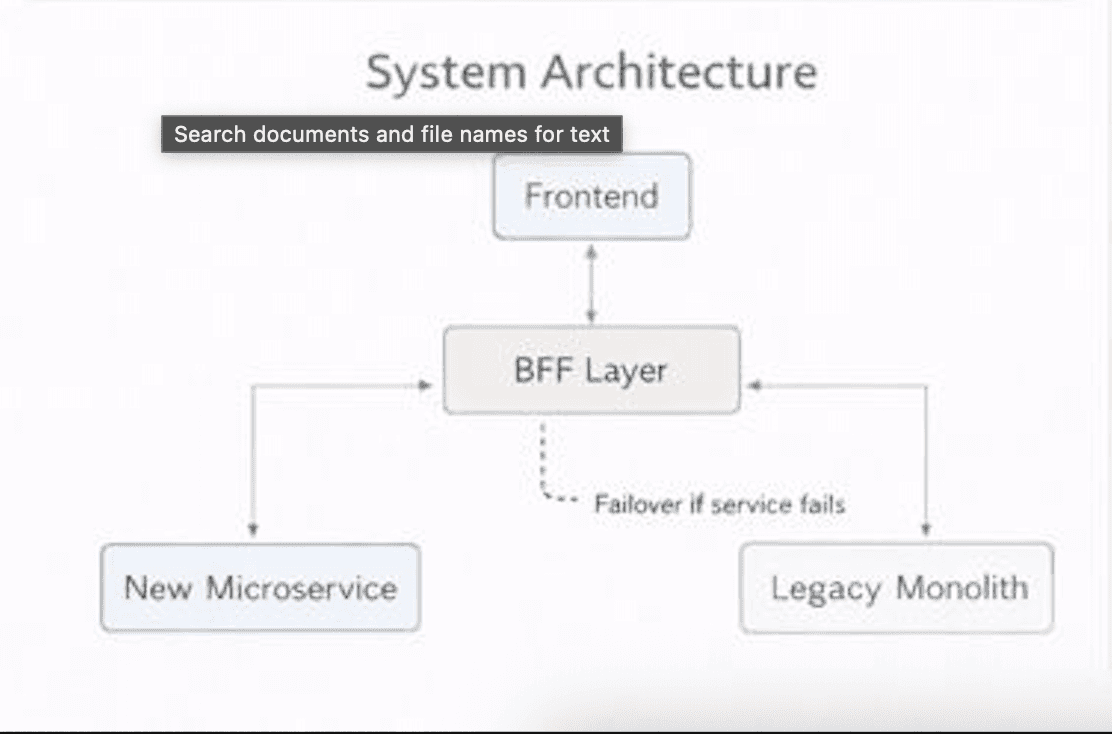
Backend-for-Frontend Architecture with Failover
Led monolith-to-microservices migration including:
Rails API endpoints for mobile platform
Backend-for-frontend architecture with automatic failover
Reverse-engineered and documented legacy authentication system
Comprehensive technical documentation for future engineers

Deployment Time Reduction: 30% Improvement
Execution & Delivery
Released migration in chunks with failover mechanism—if new microservice endpoint failed, system automatically fell back to monolith. Tested using same user accounts, compared against legacy application, monitored post-release for failures.
Go-to-market strategy: Beachhead approach targeting Chicago commerce centers where I have existing professional relationships. Enables rapid customer discovery and product-market fit validation before scaling.
Outcomes
Technical consultancy where I lead product strategy and engineering across fintech, cloud infrastructure, and web development projects. Scoped a monolith-to-microservices migration that reduced deployment time 30%, built AWS/GCP data pipelines, and delivered full-stack solutions for diverse clients. This work clarified what I wanted: solving the "what should we build and why" problems upstream of engineering.

Year
2025
Client
Multiple client teams via BSTX Labs
Services
Product Strategy, Technical Product Management, Engineering Collaboration