Alexa+: The $20 Monthly Bet on Your Complacency
How Amazon built a microphone empire and bet it all on your trust
|
0
min read
The Unintended Demo
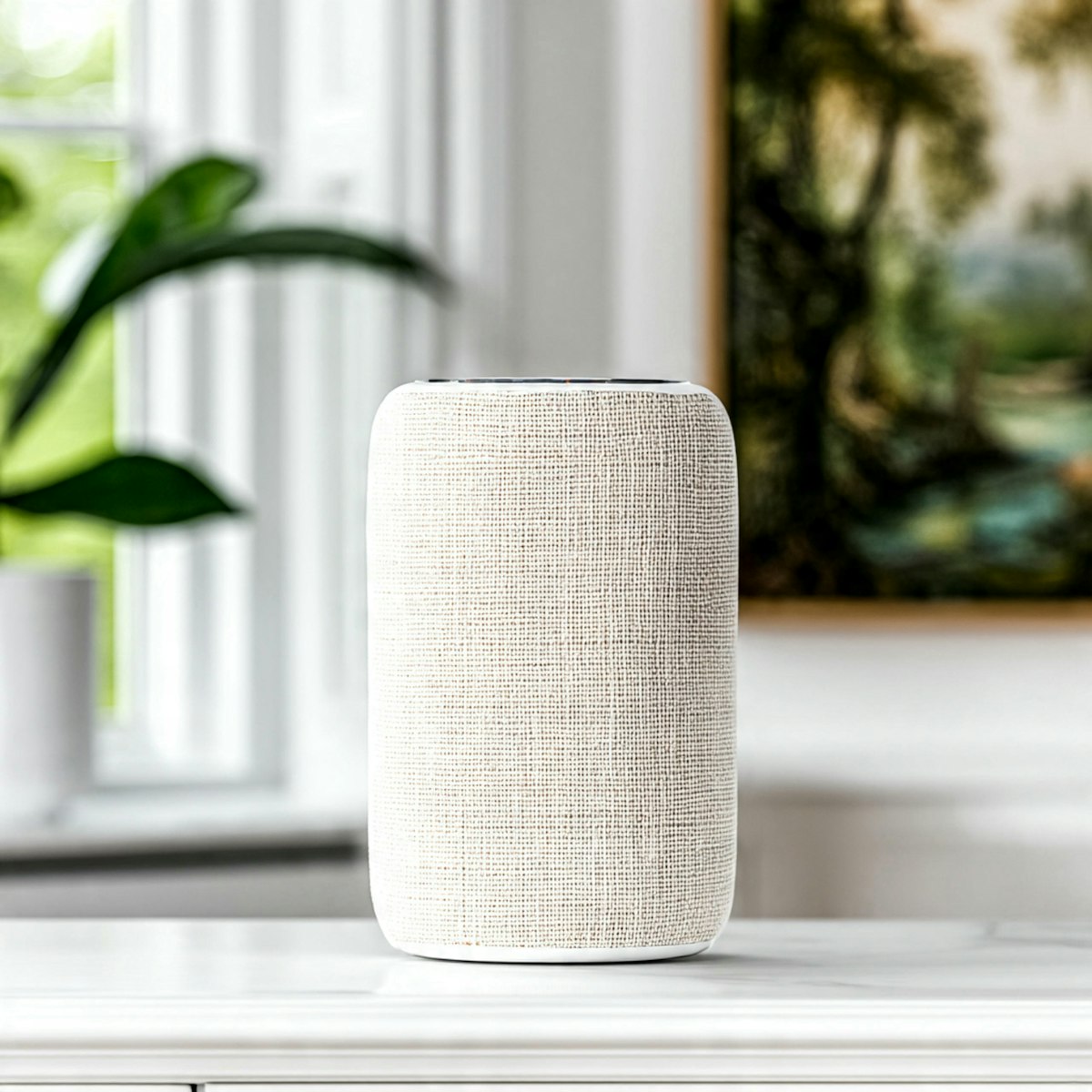
My Alexa turned on mid sentence while I was writing this.
I was talking about it and it just started listening. That might be the most honest product demo Amazon never intended to give. It has been just over a year since Amazon unveiled Alexa+ in February 2025. We’ve had twelve months to see if a decade of data collection and billions in research and development would finally result in a product that serves the user. Instead we found a subscription fee for features that require total transparency.
Alexa launched in 2014. Amazon marketed it as the future of voice computing. It was an ambient intelligence ready to help with anything. What it actually became was a glorified alarm and Spotify on voice command. Set a timer. Play music. Ask for the weather. That was the core loop and for most users that was all it ever was.
Here is what makes that remarkable. Amazon placed a microphone in millions of homes. They had more voice interaction data than any other company on earth. They had AWS and billions in capital and a captive audience. And the product they built could set a timer and play a song.
The real failure was not technical. It was organizational. No one in power over this product was accountable to the people using it.
The Platform That Never Was
Amazon's original bet wasn't on a device. It was on a platform, the idea that voice would become the next major computing interface, the way mobile did after the iPhone. Whoever owned the voice app ecosystem would win.
So they built a developer rewards program and paid people to create Alexa skills. By the time they killed that program in July 2024, 160,000 skills existed. Almost none had meaningful usage. Fewer than 1% of developers were even using the rewards program when they shut it down.
Amazon confused content volume with platform value. The App Store works because apps do things the phone cannot do alone. Alexa skills mostly replicated what Alexa already did natively. There was no reason to use them.
---
Eleven Years to Build a Real AI Product
This timeline is worth sitting with.
2014: Alexa launches, starts collecting voice data.
2017: GPT-1 drops, the Transformers paper is published, LLMs are no longer theoretical.
2020: GPT-3 launches, the path to conversational AI is visible to anyone paying attention.
November 2022: ChatGPT changes everything overnight.
March 2023: Microsoft CEO Satya Nadella publicly calls Alexa "dumb as a rock."
February 2025: Alexa+ finally launches. Eleven years after the original.
For most of that window, Amazon had everything they needed. The data. The infrastructure. The capital. What they didn't have was an organizational structure that allowed the product's intelligence to improve.
Alexa lived in the hardware division instead of the AI division. A dozen separate teams optimized for different goals like Echo unit sales or music and shopping. These teams pulled the product in different directions at the same time. Fine-tuning for the smart home would be partially undone when the music team finished their own updates. The user experience was a mirror of the org chart.
Amazon invested $8 billion in Anthropic but internal politics prevented them from fully using that technology to improve Alexa. Their own internal model was trained on 3 trillion tokens while GPT-4 used an estimated 13 trillion. Former research scientists who worked on the project called the internal model "a joke."
They had every ingredient. They still missed it.

Now They Want Your Trust
Alexa+ launched in February 2025 at $19.99 a month, free for Prime members. It connects to your calendar, email, OpenTable, Uber, food delivery, and Ticketmaster. It can book a restaurant, order groceries, and manage your smart home devices in a single conversation. It is more capable than what came before.
It only works well, though, if you give it complete access. Calendar. Email. Purchase history. Contacts. Your lights, locks, and thermostats. If any health appointments are on your calendar or in your email, those too. If you hold anything back, you are not getting your money's worth.
Giving that access to a company with this specific privacy track record is a tough sell.
In March 2025, the same month Alexa+ launched, Amazon removed the ability to opt out of cloud processing entirely. Previously you could keep some requests on-device. Now everything goes to their servers, no exceptions, including accidental triggers. They keep your voice recordings indefinitely unless you manually delete them. After you request deletion, your data can still be used while it is being processed, which takes weeks. A single Alexa session can trigger requests to dozens of third-party tracking domains. In 2023 the FTC also charged Amazon's Ring division with allowing employees and contractors to access customers' private home camera footage without consent, including footage from bedrooms. Amazon paid $5.8 million, and Ring was required to delete the videos.
Amazon says it does not sell your data directly to third parties. What it does instead: researchers at four universities found that Amazon uses your voice interactions to infer your interests and serve you targeted ads, both on Amazon and across the web, and that it shares interaction data with as many as 41 advertising partners with advertisers bidding up to 30x higher for profiled users. Amazon confirmed to The Verge that it uses Alexa interaction data to inform the ads it places on Amazon and across the web. The technical distinction between "selling data" and "profiting from it to target you" is a legal one. The outcome for you is the same.
Alexa+ is not asking for $20 a month. It is asking for your calendar, your email, and access to your home, and the right to profit from what it learns about you indefinitely. That is the actual decision in front of consumers.

What a Different Path Would Have Looked Like
This is not a technical problem. Amazon's own research team published work on Federated Learning applied specifically to Alexa devices. They described it as a framework that keeps customer data on devices. As early as 2022 Amazon was developing an opt-in setting that allowed Alexa voice requests to be processed locally without being sent to the cloud with recordings deleted after processing. They had the research and they had built part of it. The technology to do this differently existed but the product strategy shifted toward data consolidation.
The decision to go the other direction was a product decision, not a technical limitation. I am pro-accountability when it comes to AI. I am concerned that there is currently no one in the lighthouse, a total lack of oversight where the people responsible for the long-term safety of our data aren't incentivized to actually show up or care.
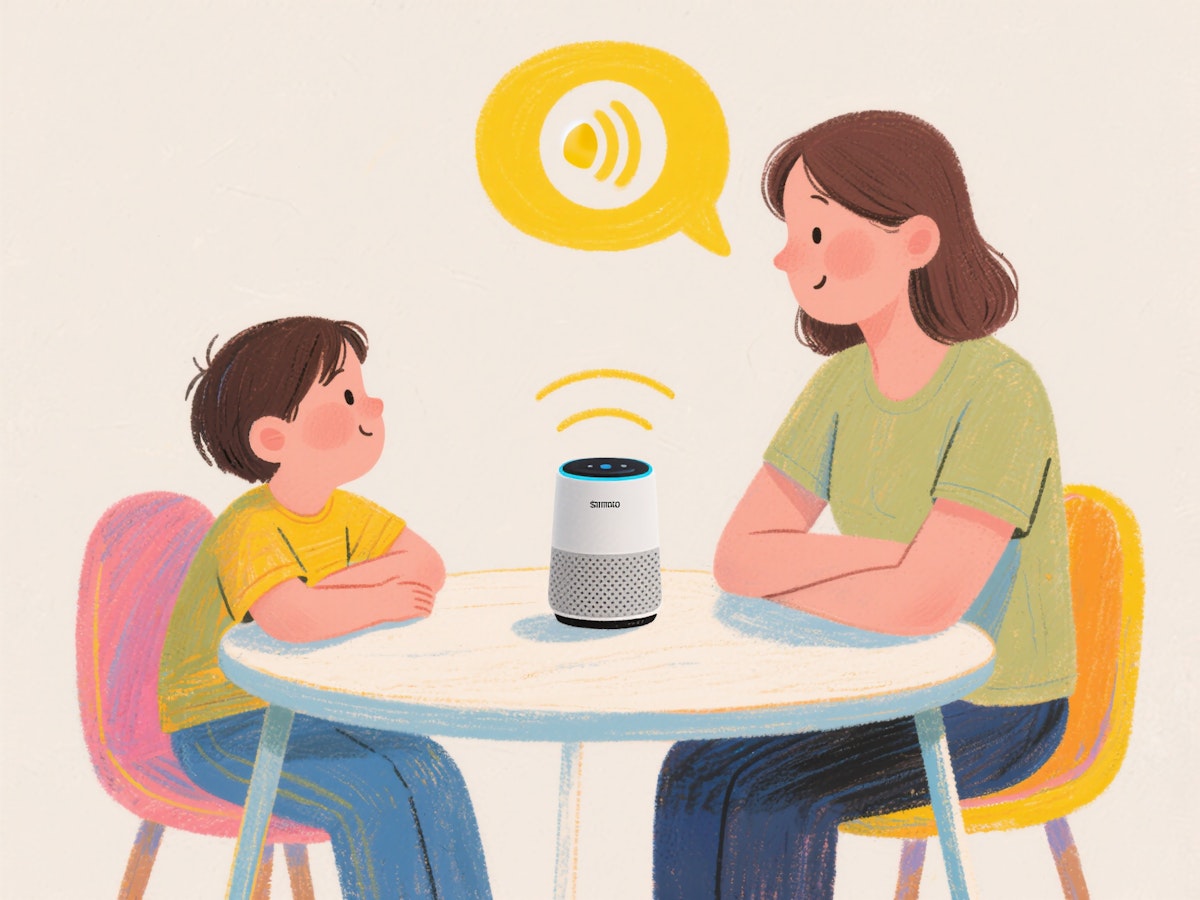
A product that comes into your home should at first be trustworthy, privacy should have been one of the cornerstones of Alexa. In 2023, the FTC and Department of Justice charged Amazon with retaining children's voice recordings indefinitely and ignoring parents' requests to delete them, in violation of federal children's privacy law. Amazon paid a $25 million fine.
A trustworthy product would have started by asking a different question: what data does this actually need to function? Conversational context, yes. Calendar access for scheduling, yes. Indefinite retention of every accidental trigger, every stumbled command, every ambient sound that crossed the wake word threshold…that is not a product requirement. That is accumulation without justification.
A product that treated users as stakeholders would have given them real control. Readable data exports. Immediate deletion on demand. Defined retention windows. Automatic deletion of health adjacent information unless the user opt-in to keep it. The sequence Amazon chose was inverted. Collect everything for a decade, remove the last privacy control, then ask for your email and calendar. A credible path looks different. You demonstrate responsible stewardship first. You build a track record. Then you ask for more trust.

Amazon Can Wait
Alexa+ had roughly 1 million users in June of 2025. There are 600 million Alexa enabled devices in the world. That was less than 0.2% adoption after months of availability. Amazon recently claims 1.7% - 15% these days, that is a pretty big range and gives them a lot of grace.
None of that means Amazon loses.
They have 600 million devices already in homes. They have Prime, which ties tens of millions of households into their ecosystem before they ever think about Alexa+. They have AWS, which means they can absorb losses and wait.
Right now, the cost of not using Alexa+ is essentially nothing. There is no meaningful switching cost and no compelling reason to hand over your calendar and email today. But that is not the full picture. Amazon lost more than $25 billion on its devices business between 2017 and 2021 alone, according to internal documents reviewed by the Wall Street Journal. It absorbed those losses the same way it absorbed years of losses building Prime and AWS. Amazon is betting that being embedded in your home today is worth more than being profitable.
The question is not whether Alexa+ is worth it today. The question is, can Amazon turn Alexa+ into a product that you can’t live without? If it can, how many years will it take? Will it take generations to forget about its privacy abuses? It’s an uphill battle, to say the least. I am not sure if that future will come, but they have the capital to wait out close to any storm.
The problem was never that Amazon built a bad voice assistant. The problem is that no one in a position of power over this product was accountable to the people using it. The org was accountable to hardware sales, then cost reduction, then competitive positioning against ChatGPT. The user was never the primary stakeholder. I hope that the success of Alexa+ hinges on putting users first.